In shared labs, the cost is not only purchase price. It includes training, repeatability across users, downtime, and avoidable damage from inconsistent operation.
A good platform makes it easier to standardize recipes and reduces user-dependent variability.
Automation and recipe discipline
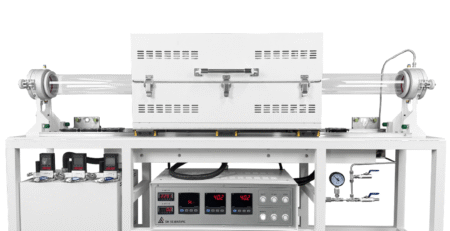
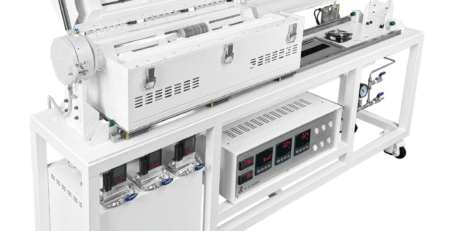
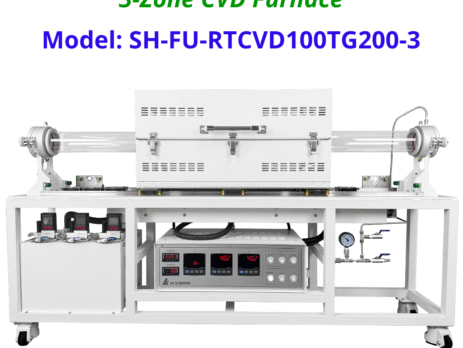
The platform supports dual modes: automatic mode for rapid thermal RTCVD cycles and manual mode for conventional CVD operation. This is useful when a facility supports both rapid recipes and longer steady holds.
A programmable preheating stage is intended to establish the desired atmosphere before rapid heating begins. This helps facilities standardize purge and atmosphere conditioning steps.
Safety devices and facility planning basics
- Safety devices listed include: electric leakage circuit breaker and over temperature controller
- Electrical requirements (100TG200-3): 220V, 50/60Hz, 1 phase, 26A
- Heater capacity: 2.0 kW x 3 zones (6.0 kW total)
Option planning: decide early
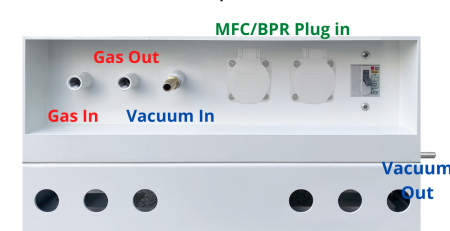
MFC, BPR, quartz gas diffuser, and quartz wafer carrier are listed as options. When deciding on a configuration, align options to user needs:
If multiple groups will share gas recipes, MFC helps. If experiments require controlled backpressure or overpressure, BPR helps. If users run wafers or fixtures, a wafer carrier improves consistent placement. If gas distribution is a known variable, a quartz diffuser can help.
Ramp guidance to include in training
The operation guidance recommends avoiding sharp, rapid increases in temperature and suggests about 15 C per minute as an ideal ramp-up rate. Including this as a rule in SOPs helps protect heating elements and reduces unplanned downtime.