
Rapid Thermal CVD Furnace
Why gas control options matter
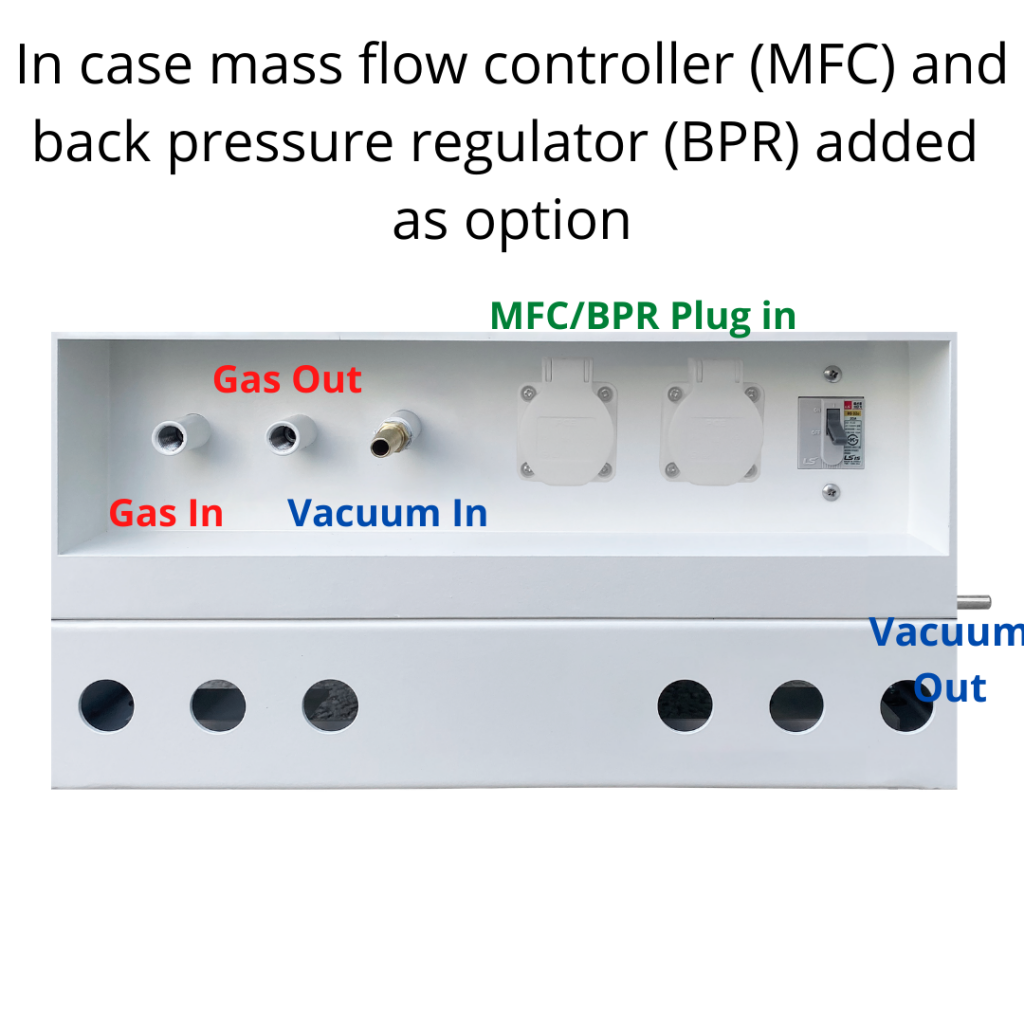
Mass flow controllers (MFC) and back pressure regulators (BPR) are common tube furnace options. Use this guide to decide which option you need for repeatable CVD recipes.
Application notes, case studies, and technical guides from SH Scientific on lab furnaces, rotary kilns, autoclaves, and thermal processing.
9 articles
Mass flow controllers (MFC) and back pressure regulators (BPR) are common tube furnace options. Use this guide to decide which option you need for repeatable CVD recipes.
Photovoltaics and optoelectronics thin films depend on clean atmospheres and controlled thermal history. Learn why an RTCVD furnace-movement design can improve repeatability.
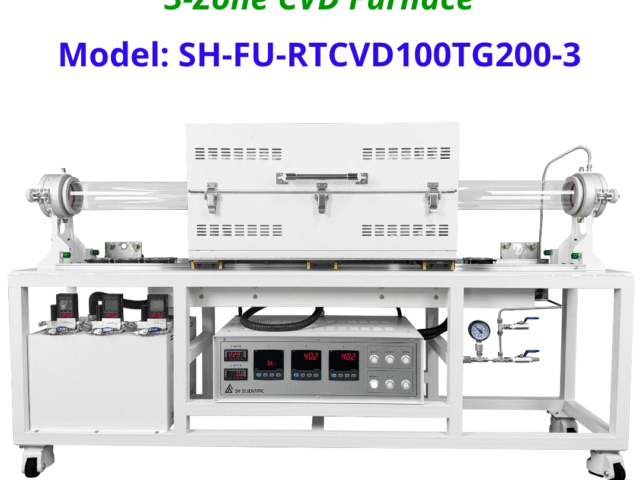
A 3-zone, 600 mm heated-length tube furnace supports gradient-driven experiments. See how RTCVD adds furnace-movement rapid heating and cooling on top of multi-zone control.
2D materials often depend on controlled cool-down after synthesis. Learn how a furnace-movement RTCVD design supports rapid heating and rapid cooling in a controlled atmosphere.
For semiconductor and microfabrication R&D, short thermal cycles reduce diffusion and interfacial reactions. Learn how a 1200 C, 3-zone, 100 mm RTCVD furnace supports rapid thermal workflows.
A 1200 C rapid thermal CVD tube furnace with three independent 200 mm zones (600 mm hot zone) and furnace-movement design for rapid heating and rapid cooling, plus programmable control and atmosphere options.
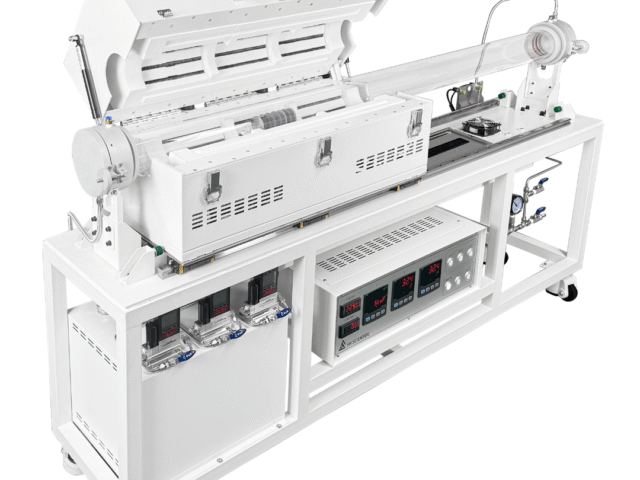
Why SH Scientific RTCVD unlocks "Real" Rapid Thermal Processing: A look at how extended tube geometry and sliding mechanics enable precise dopant activation and rapid quenching for semiconductor R&D.