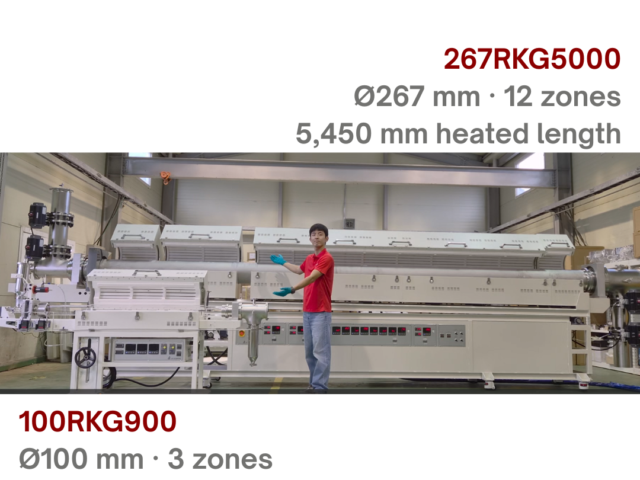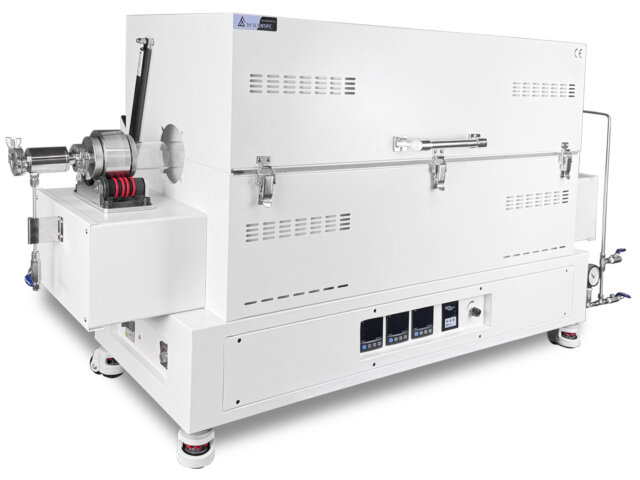
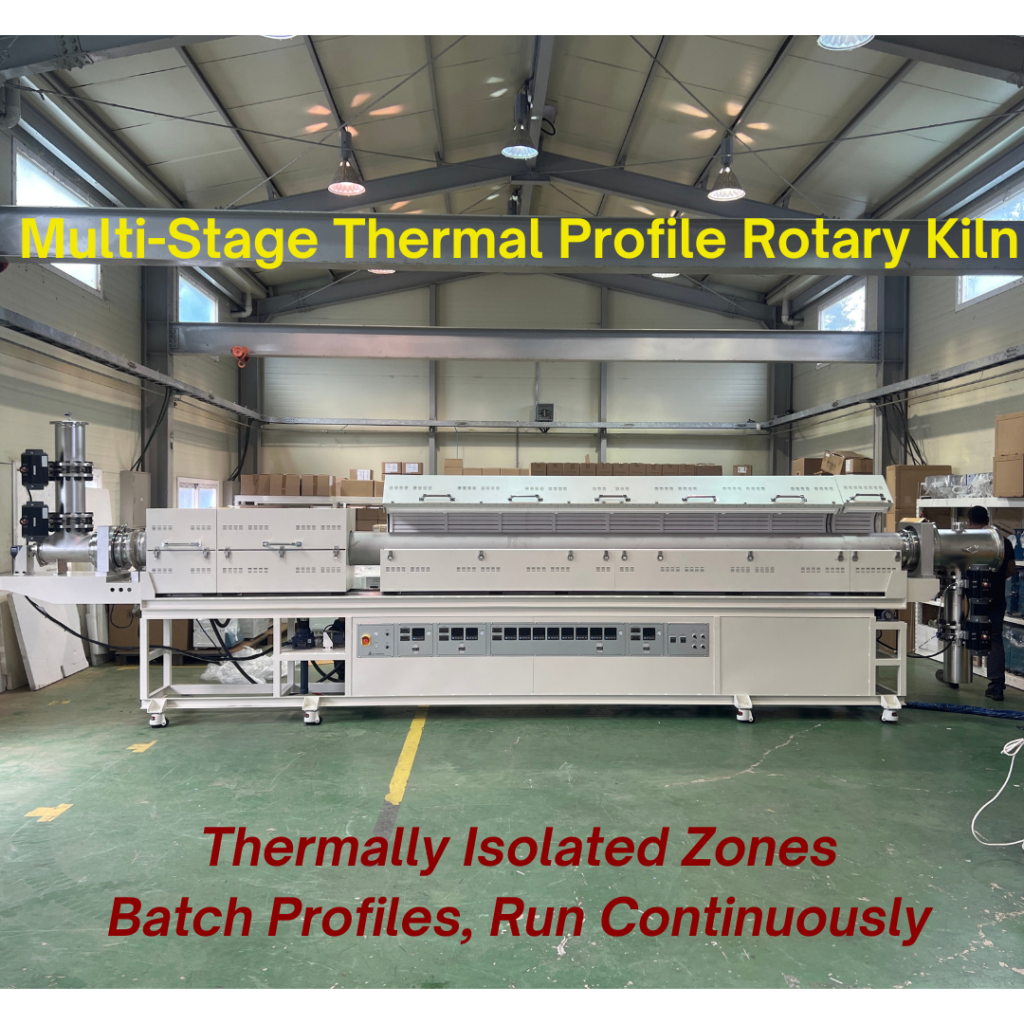
Rotary Kiln
How Rotary Kilns Improve Rare-Earth Calcination
Learn how rotary kilns improve powder–gas contact during rare-earth calcination and support consistent oxide production through continuous processing.
Application notes, case studies, and technical guides from SH Scientific on lab furnaces, rotary kilns, autoclaves, and thermal processing.
101 articles
Learn how rotary kilns improve powder–gas contact during rare-earth calcination and support consistent oxide production through continuous processing.
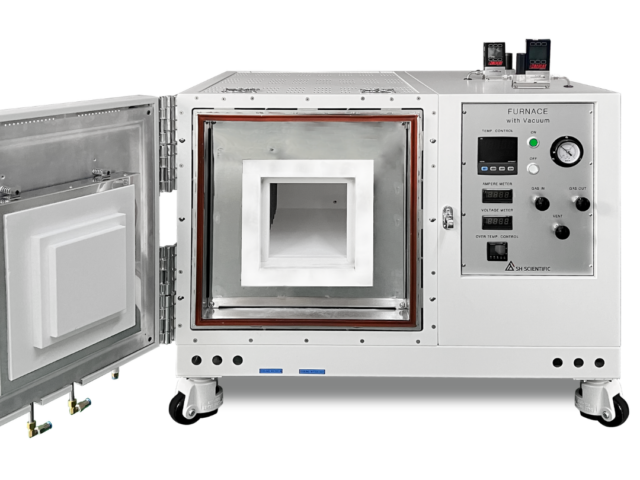
Learn how high-temperature furnaces support Y2O3, YAG, and Al2O3 ceramic sintering for plasma-resistant semiconductor chamber components.
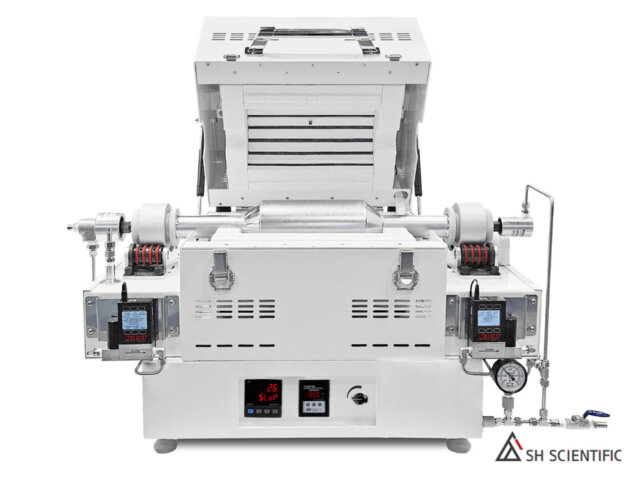
Explore how rotary tube furnaces support red mud reduction studies with controlled gas atmospheres, powder agitation, and repeatable lab-scale results.
See how the MGQ quartz chamber furnace supports clean, visible, corrosion-resistant thermal processing in materials, battery, polymer, and nanotechnology labs.
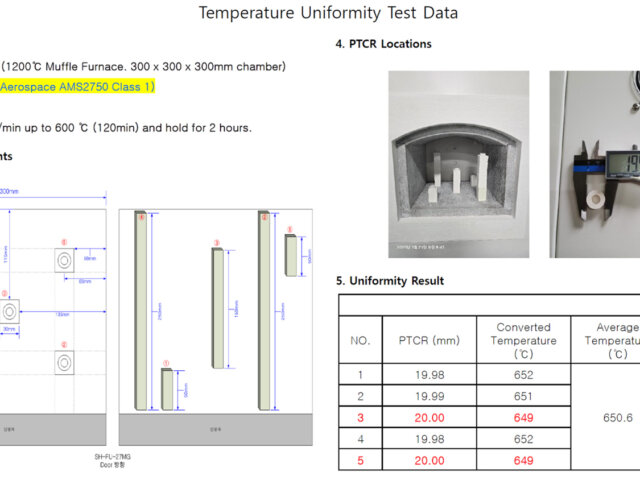
See SH Scientific furnace temperature-uniformity test data and how selected systems support demanding AMS2750 Class 1 aerospace heat-treatment requirements.
A Practical Thermal Pathway Using Calcination and Graphitization The demand for high-purity graphite continues…
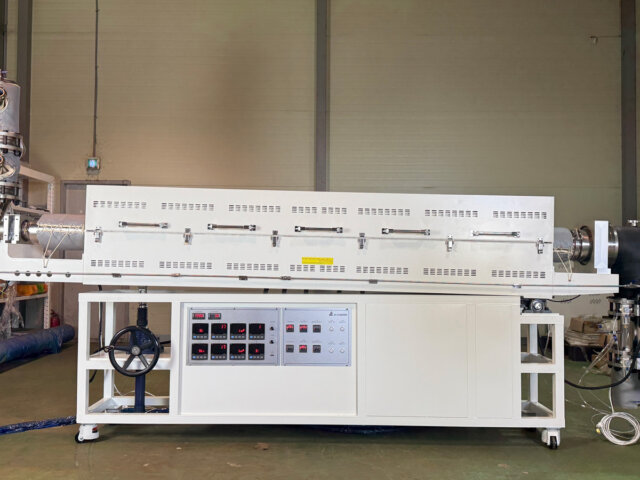
Scale your REE extraction and magnet recycling with custom rotary kilns. Engineered for harsh calcination using SS 310S, Inconel, and Nickel tubes.

A Vacuum Tube Furnace uses a cylindrical tube, often made of quartz or alumina, as the heating c…
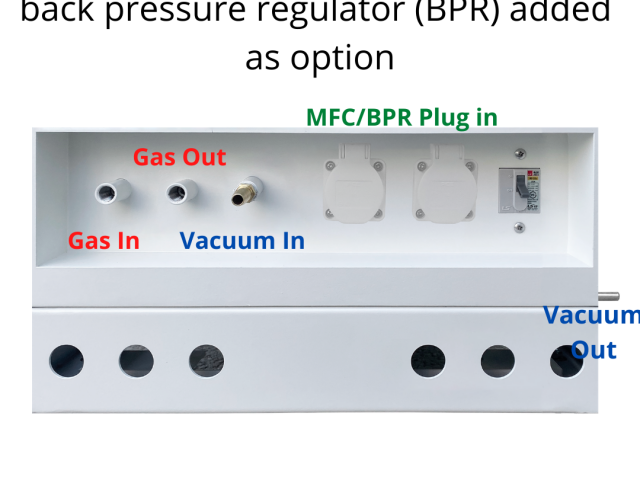
Mass flow controllers (MFC) and back pressure regulators (BPR) are common tube furnace options. Use this guide to decide which option you need for repeatable CVD recipes.
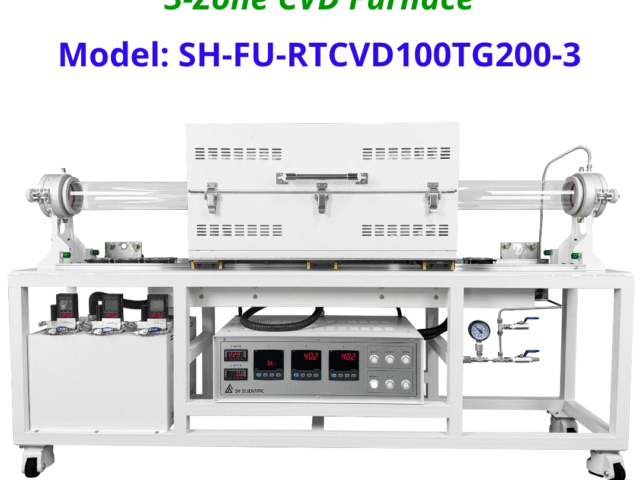
RTCVD furnaces support automatic mode for rapid thermal cycles and manual mode for conventional CVD. Use this guide to choose the best workflow for your experiment.
A practical guide for lab managers evaluating a rapid heating and cooling tube furnace. Covers dual modes, programmable control, safety devices, and option planning.
Photovoltaics and optoelectronics thin films depend on clean atmospheres and controlled thermal history. Learn why an RTCVD furnace-movement design can improve repeatability.
A 3-zone, 600 mm heated-length tube furnace supports gradient-driven experiments. See how RTCVD adds furnace-movement rapid heating and cooling on top of multi-zone control.