Quartz Vacuum Muffle Furnace vs. Vacuum Tube Furnace
What is the main structural difference?
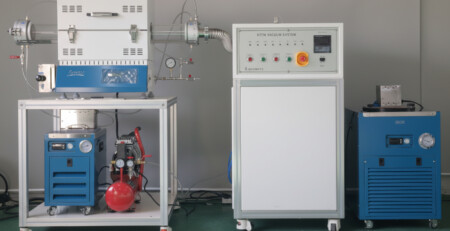
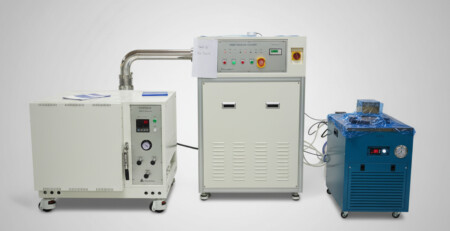
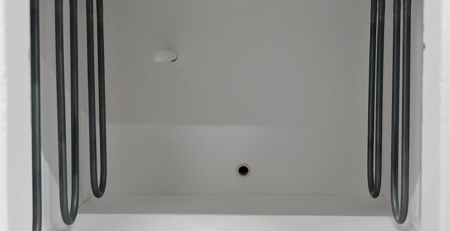
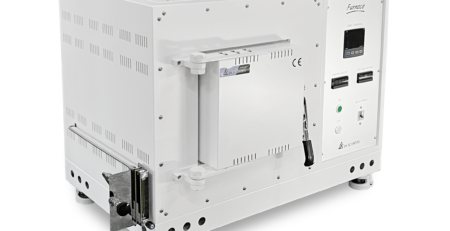
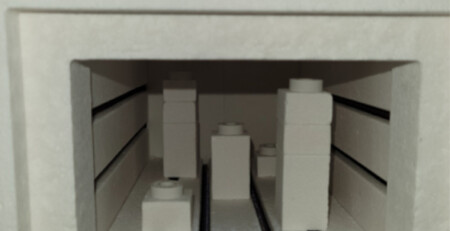
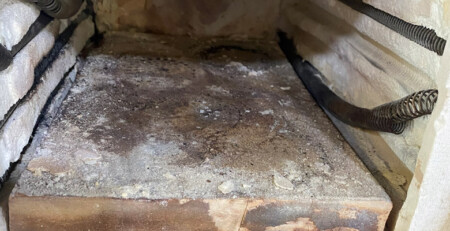
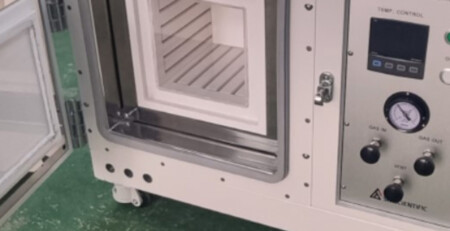
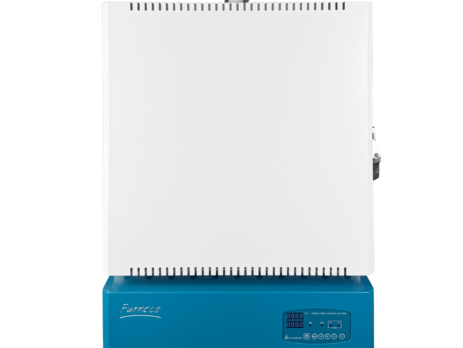
A Vacuum Tube Furnace uses a cylindrical tube, often made of quartz or alumina, as the heating chamber. A Quartz Vacuum Muffle Furnace uses a rectangular, box-shaped quartz chamber. On Lab & Furnace’s website, these two systems are presented as different chamber formats designed for different types of sample handling and process needs.
Which one offers more space for samples?
A Quartz Vacuum Muffle Furnace typically offers more usable chamber volume for many sample types because of its rectangular layout. Tube furnaces are more limited by tube diameter, which often makes them a better fit for smaller batches or long, narrow samples.
Which system achieves a cleaner vacuum?
A Vacuum Tube Furnace is typically better suited for deeper-vacuum applications, while quartz vacuum muffle furnaces are often positioned for controlled-atmosphere processing and clean handling of sensitive materials. Lab & Furnace’s vacuum tube furnace category also references optional high-vacuum configurations, which supports this distinction.
How does sample purity compare?
Both systems support high-purity processing, but the Quartz Vacuum Muffle Furnace is designed to reduce contamination associated with standard ceramic chambers by using a fully enclosed quartz chamber. Lab & Furnace describes the quartz chamber design as a non-contaminating option for sensitive work, including semiconductor and battery-related applications.
Which is easier to load and unload?
A Quartz Vacuum Muffle Furnace is often easier to load and unload because of its front-opening chamber design. By comparison, tube furnaces usually require samples to be inserted into a long, narrow tube, which can be less convenient when handling multiple crucibles or delicate materials.