A Practical Thermal Pathway Using Calcination and Graphitization
The demand for high-purity graphite continues to grow, especially with the rapid expansion of lithium-ion batteries and advanced materials. As a result, recovering graphite from spent batteries and carbon-based waste is becoming both an environmental priority and a valuable opportunity.
The challenge is that recovered carbon is not immediately usable. It often contains binders, electrolyte residues, and disordered carbon structures that limit performance. To turn this material into something useful again, a controlled thermal process is required.
A widely used approach involves two main steps: calcination at moderate temperatures, followed by graphitization at very high temperatures. When done correctly, this process can convert low-value carbon material into high-purity graphite suitable for demanding applications.
Why Thermal Processing Matters
Recovered graphite is typically mixed with impurities and lacks structural consistency. Without further treatment, it cannot meet the requirements of applications such as battery anodes or conductive materials.
Thermal processing helps address these issues by removing unwanted compounds and reorganizing the carbon structure. It allows the material to transition from a contaminated and disordered state into a stable and highly ordered graphite form.
The key to success is maintaining a clean and controlled environment throughout both stages.
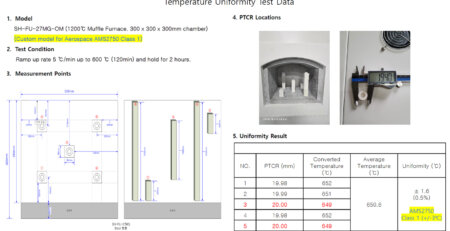
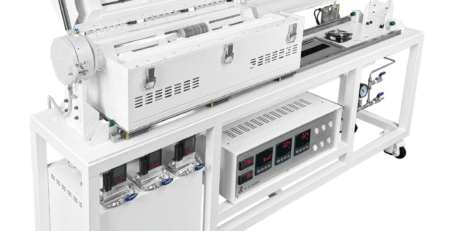
(See our PTCR test data for furnace temperature uniformity.)
Calcination: Preparing the Material
Calcination is the first step in the process. It focuses on cleaning and stabilizing the material before it is exposed to extreme temperatures.
What happens during calcination?
At temperatures between about 400°C and 900°C, and sometimes up to 1200°C, several important changes take place:
- Organic binders and residues break down
- Moisture and volatile compounds are removed
- Initial carbonization begins
- The structure becomes more stable
This stage sets the foundation for everything that follows. If it is not done properly, impurities and defects can carry over into the next step.
Why temperature control is important
Uniform heating is critical, especially when working with powders or recycled materials. If heating is uneven, gases can be released too quickly or certain areas can overheat, which may damage the material.
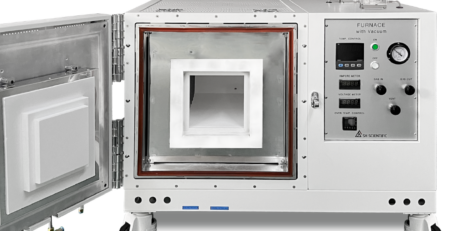
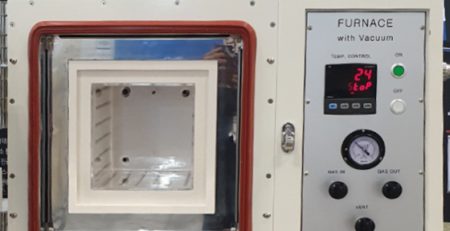
This is why many laboratories rely on 1200°C-class muffle furnaces such as the MG Series. These systems are designed to provide:
- Stable and even temperature distribution
- Controlled heating profiles with gradual ramping
- Well-insulated chambers that support consistent processing
This level of control helps ensure that the material is properly prepared for graphitization.
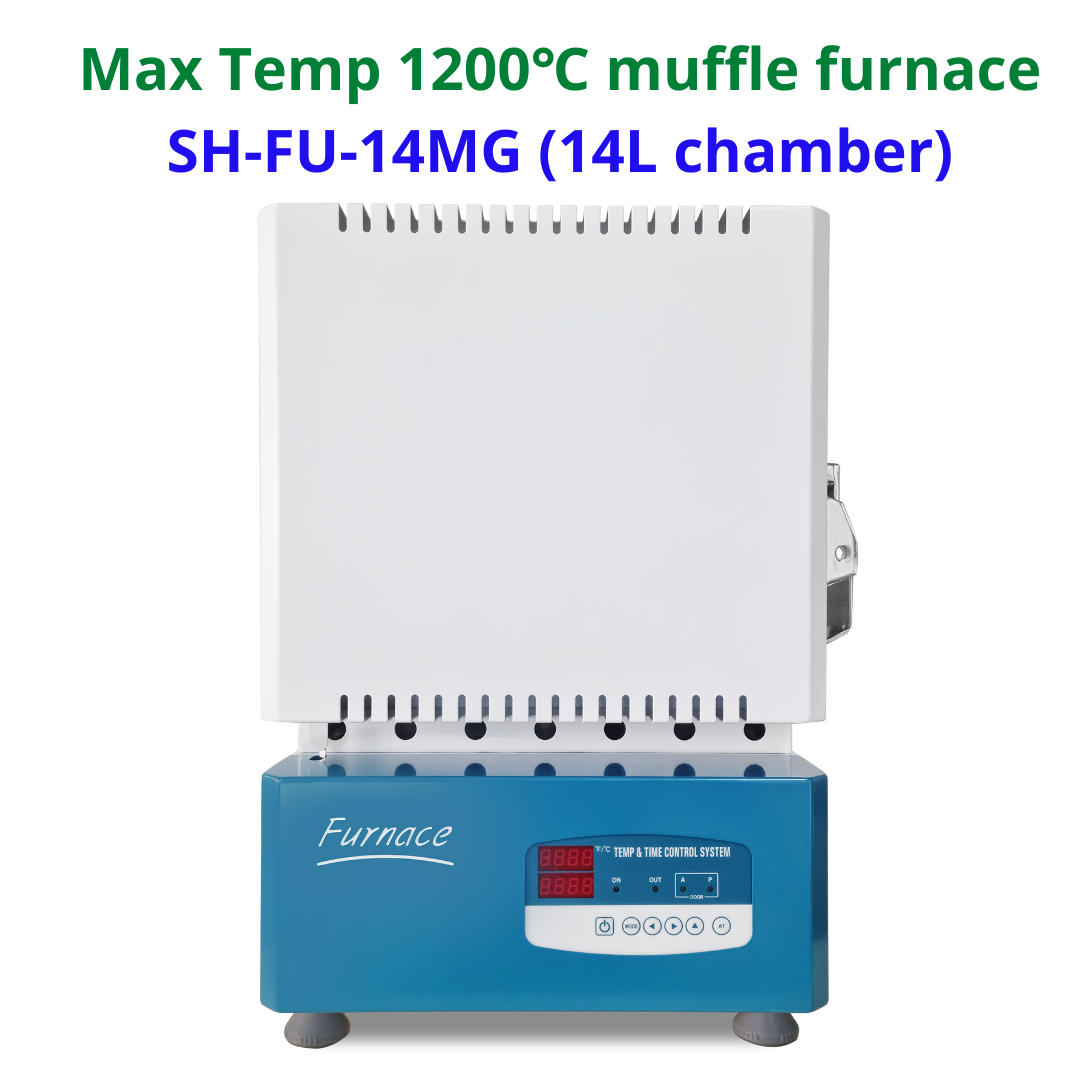
MG Series: Precision Calcination up to 1200°C | [View Specs]
Graphitization: Forming the Graphite Structure
After calcination, the material moves into the graphitization stage. This is where the real transformation happens.
What changes at high temperature?
At temperatures above 2500°C, typically in the range of 2800°C to 3000°C:
- Carbon atoms rearrange into a layered structure
- Crystallinity increases significantly
- Electrical and thermal conductivity improve
- Chemical stability becomes much higher
This is the step that determines the final quality and performance of the graphite.
Why a clean high-temperature environment matters
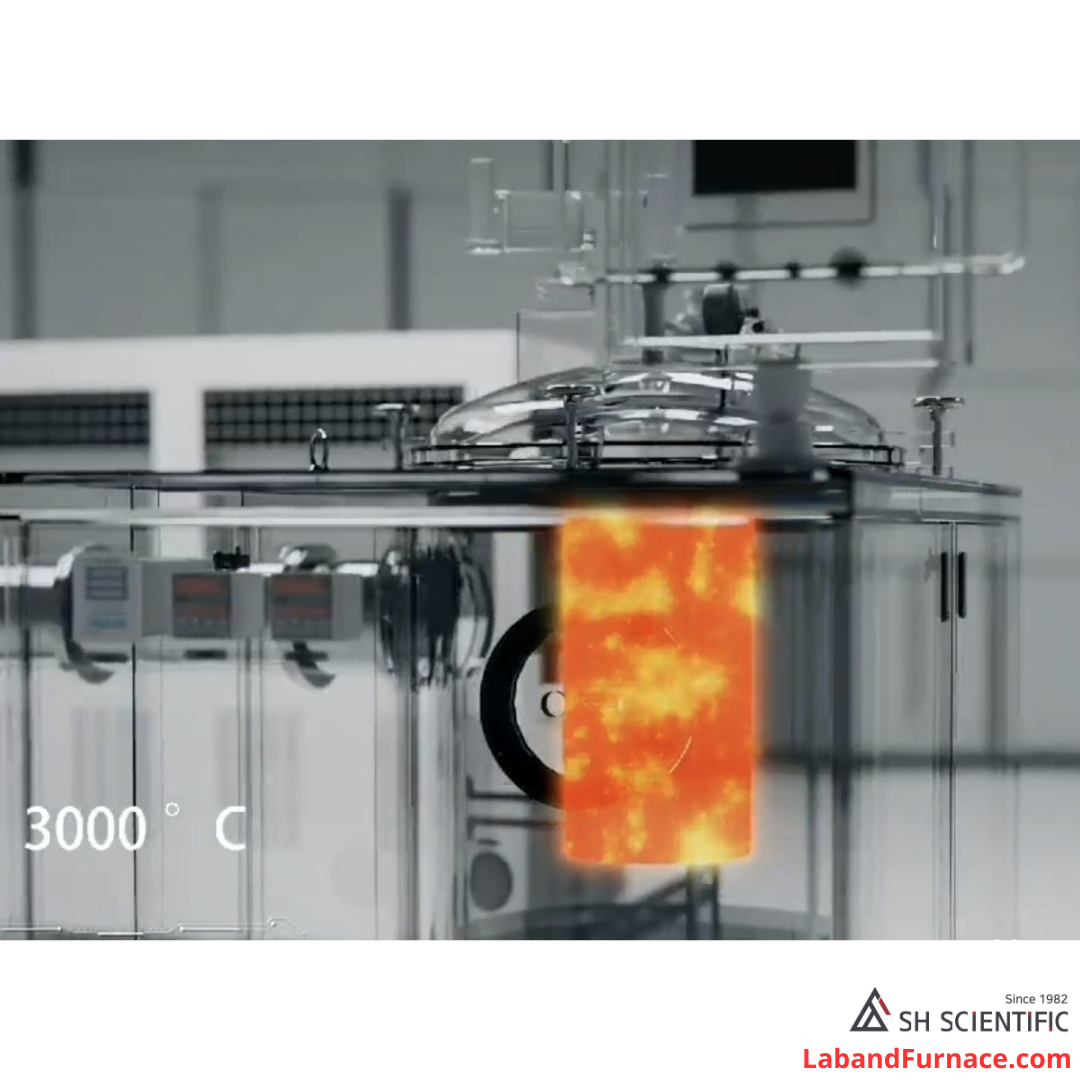
At these temperatures, even small amounts of contamination can affect the final product. That is why graphitization is usually carried out under high vacuum or in an inert gas environment such as argon.
The heating method also plays an important role. Modern high-temperature systems used for graphitization, including 3000°C-class vacuum furnaces, increasingly rely on induction heating.
These systems typically combine:
- Induction-based heating
- High-performance graphite insulation
- Water-cooled vacuum chambers
This setup helps reduce contamination risks by avoiding consumable heating elements inside the chamber. It also improves stability and repeatability when operating at extremely high temperatures.
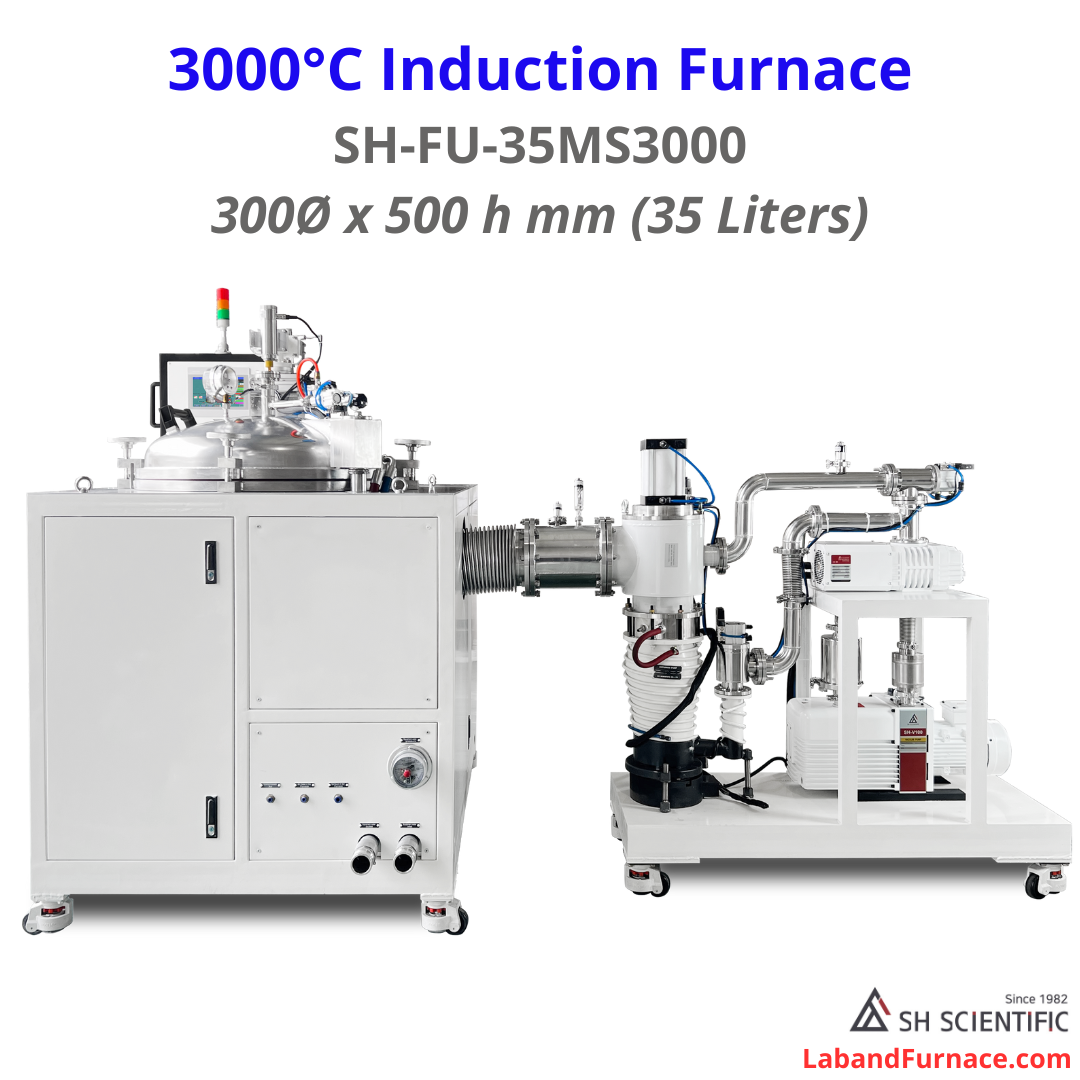
3000°C Vacuum Induction Furnace: Contamination-Free Graphitization | [View Specs]
How the Process Comes Together
The two stages work together as a continuous pathway:
| Stage | Temperature Range | Purpose |
|---|---|---|
| Calcination | Up to 1200°C | Removes volatiles and stabilizes carbon |
| Graphitization | Above 2500°C | Forms crystalline graphite structure |
Over the course of this process, the material changes from a mixed and disordered state into a highly ordered graphite structure.
Where this process is used
This approach is used in a variety of applications, including:
- Lithium-ion battery recycling and graphite anode recovery
- Synthetic graphite production
- Carbon fiber processing
- Biomass-based carbon materials
- Advanced materials such as CNTs and graphene precursors
As industries continue to focus on sustainability, this type of thermal upgrading is becoming increasingly important.
The role of furnace technology
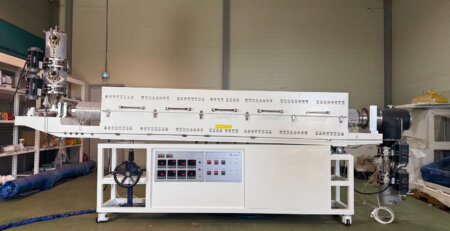
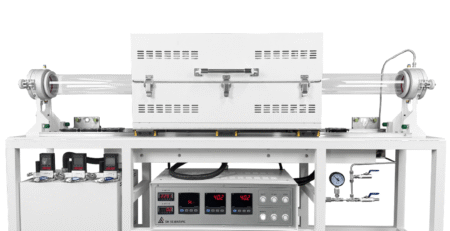
While the chemistry behind the process is well understood, the quality of the final material depends heavily on the equipment used. Both stages require stable and uniform temperature control, precise heating profiles, controlled atmospheres, and minimal contamination.
In practice, this often means using:
- MG Series muffle furnaces for calcination up to 1200°C
- Induction-based high-vacuum furnaces capable of reaching 3000°C for graphitization
Together, these systems make it possible to carry out the full process with consistency and reliability.
Final thoughts
Turning recovered carbon into high-purity graphite is not just about recycling. It is about refining and restoring material performance. With the right thermal approach, it is possible to transform low-value carbon into a high-performance material that can be used again in advanced applications.
As demand for graphite continues to grow, processes like calcination and graphitization will play an increasingly important role, supported by furnace technologies that provide clean, stable, and precise thermal environments.
Ready to Upgrade Your Lab’s Capabilities?
Whether you are scaling up battery recycling research or developing advanced synthetic graphite, ensuring precise thermal control is critical.