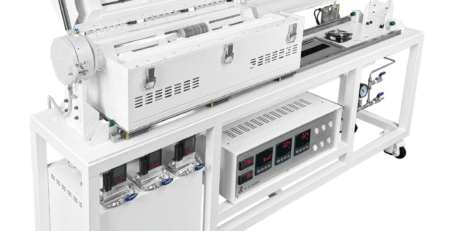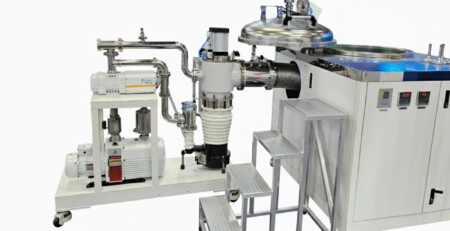
Researchers working with advanced materials, polymers, nanomaterials, battery materials, fluoropolymers, and contamination-sensitive processes often focus first on temperature specifications when selecting a furnace.
But after months of actual laboratory operation, another issue becomes much more important: how well the furnace survives real-world use.
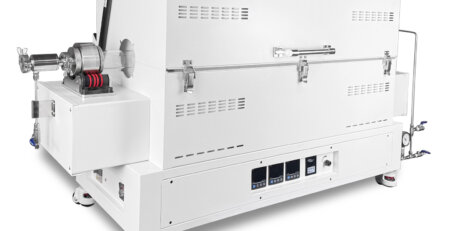
This is exactly the reason SH Scientific developed the MGQ Series Quartz Chamber Muffle Furnace available at LabAndFurnace.com.
The idea itself is actually very simple.
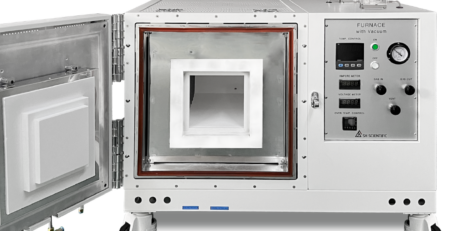
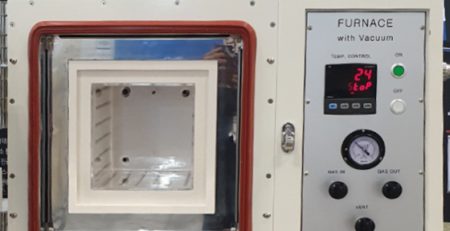
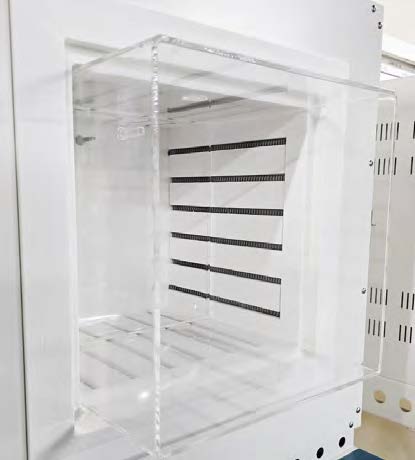
Instead of exposing samples directly to the ceramic insulation chamber, the MGQ Series places a removable quartz chamber inside the furnace. At first glance, this may not sound like a dramatic change. However, researchers who regularly work with contamination-generating materials quickly realize how valuable this design becomes in everyday laboratory operation.
Easier Chamber Cleaning During Daily Laboratory Use
One of the biggest frustrations with conventional ceramic chamber furnaces is cleaning.
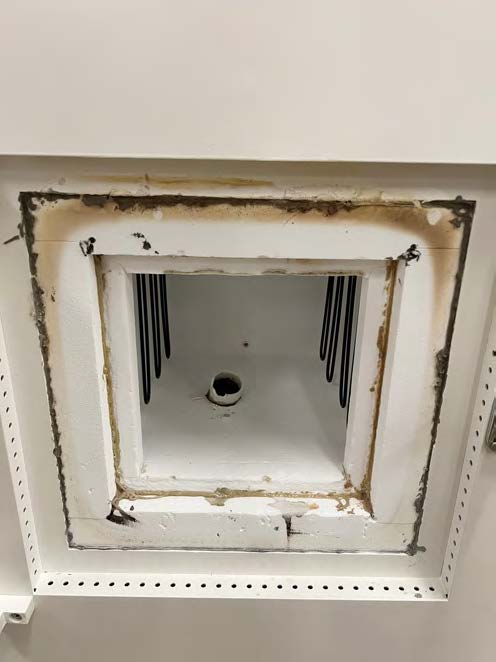
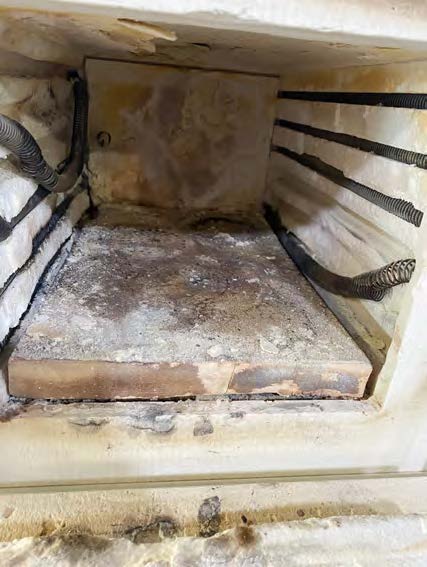
After repeated heating cycles, fine powder, ash, soot, carbon residue, and contamination gradually build up inside the chamber. Because ceramic insulation surfaces are porous, these materials do not simply sit on the surface – they slowly become embedded into the chamber walls and floor.
Researchers often try vacuuming, brushing, or wiping the chamber, but eventually the contamination becomes part of the insulation itself.
For laboratories running multiple projects or contamination-sensitive experiments, this creates several problems:
- Cross-contamination between samples
- Difficulty maintaining a clean processing environment
- Increased maintenance time
- Gradual deterioration of the chamber interior
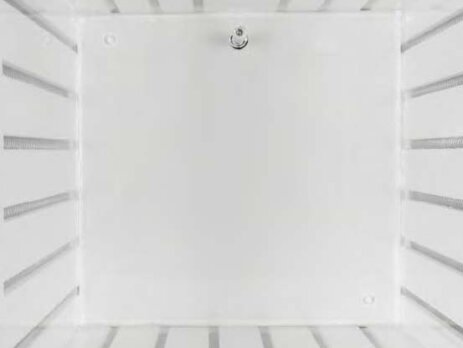
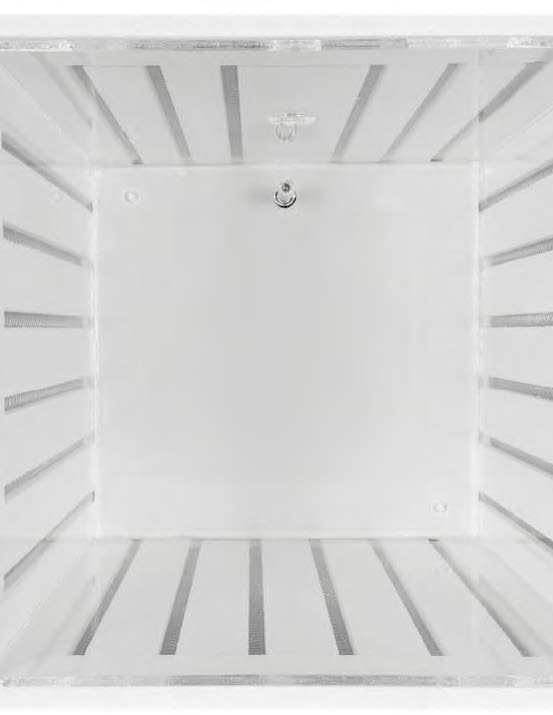
The smooth quartz chamber inside the MGQ furnace changes this experience significantly.
Instead of contamination soaking into porous ceramic insulation, the quartz surface allows users to wipe the chamber much more easily after processing.
This sounds like a small convenience feature until a laboratory begins using the furnace daily. Then it becomes one of the most appreciated advantages of the entire system.
Protection Against Melted Samples and Chamber Damage
The benefit becomes even more obvious when unexpected accidents happen during thermal processing.
Anyone who has operated laboratory furnaces long enough has likely experienced samples melting, overflowing, or reacting unexpectedly during heating.
In conventional ceramic chamber furnaces, molten materials can penetrate directly into the insulation floor. Once this happens, the damage is often permanent. In severe cases, the chamber floor itself may crack or develop holes, requiring expensive repairs or complete chamber replacement.
The client specifically emphasized this issue because it is a real maintenance problem many laboratories eventually encounter.
The quartz chamber inside the MGQ furnace acts as a protective barrier between the sample and the furnace structure. Instead of molten residue directly attacking the ceramic insulation, the quartz liner helps contain the damage and protect the furnace body.
For laboratories processing polymers, fluoropolymers, composites, binders, and aggressive materials, this protection can significantly improve long-term operational reliability.
Easier Long-Term Maintenance and Chamber Replacement
Another practical advantage is long-term serviceability.
With conventional ceramic chambers, once contamination or physical damage becomes severe, repairing the furnace can become difficult and expensive.
The MGQ design provides a much more practical maintenance approach. If the quartz chamber eventually becomes worn, contaminated, or damaged after extensive use, researchers can replace the quartz chamber itself without rebuilding the entire furnace structure.
This gives laboratories additional peace of mind, especially in busy research environments where downtime can interrupt ongoing projects.
Encased Thermocouple for Improved Durability
The MGQ Series also improves durability in another area that researchers often overlook until problems occur: thermocouple protection.
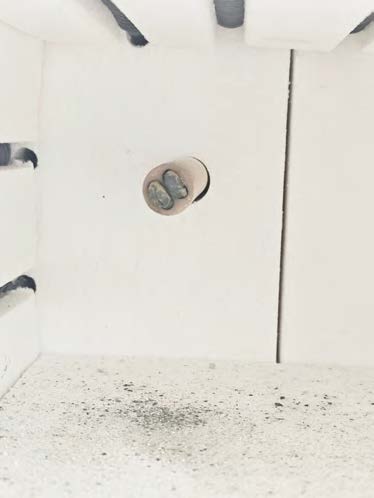
Many standard laboratory furnaces use exposed thermocouples inside the chamber. Over time, repeated exposure to contamination, aggressive vapors, and harsh thermal environments can damage the thermocouple and reduce reliability.
The MGQ Series uses an encased thermocouple configuration designed to better protect the sensor during long-term operation.
This becomes particularly beneficial in laboratories running repetitive heating cycles or processing chemically aggressive materials.
Better Protection in Corrosive Gas Applications
Corrosive and aggressive gases are another major concern in real laboratory environments.
Certain materials release reactive vapors during heating, especially fluoropolymers, organic compounds, sulfur-containing materials, and chemical precursors. Over time, these gases can attack heating elements, insulation materials, and internal furnace components.
LabAndFurnace.com specifically discusses applications involving corrosive gases and fluoropolymer-related processing because these environments can rapidly shorten the lifespan of conventional furnaces.
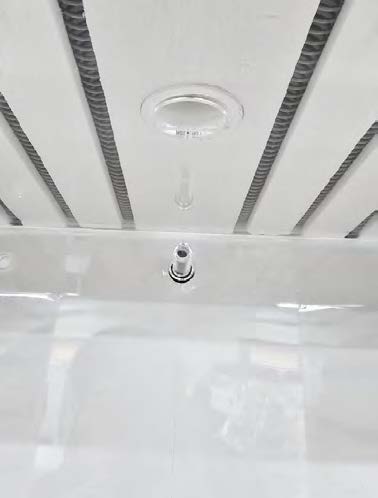
The quartz chamber inside the MGQ Series helps isolate the processing environment from the furnace structure. By reducing direct exposure of the heating elements and insulation to aggressive vapors, the furnace can maintain better long-term durability and cleanliness.
This becomes especially important for research laboratories performing repeated high-temperature processing with chemically reactive materials.
Available MGQ Models
The MGQ Series is available in multiple chamber sizes including:
- 5MGQ
- 14MGQ
- 27MGQ
The furnaces are designed for laboratory thermal processing applications up to 1200°C, with recommended long-term operation below 1000°C.
Additional features available on the MGQ Series include:
- Four-side heating
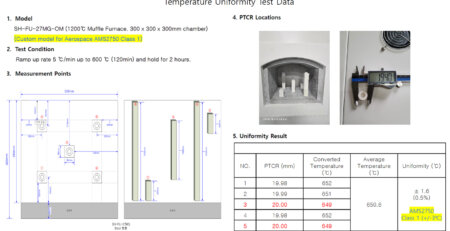
- Excellent temperature uniformity
- PID temperature control
- Low-noise SSR operation
- Optional programmable controllers
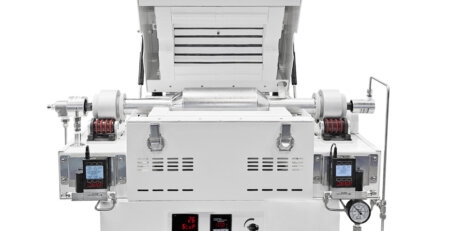
- Gas flow support for controlled atmosphere applications
- Exhaust/outgas port configuration
Why Researchers Appreciate the MGQ Design
What ultimately makes the MGQ Series attractive is not simply the temperature capability.
Researchers appreciate the system because it directly addresses practical problems experienced during real laboratory operation:
- Easier chamber cleaning
- Reduced contamination buildup
- Protection against melt-through damage
- Better resistance to corrosive processing environments
- Improved thermocouple durability
- Easier long-term maintenance
- Replaceable quartz chamber structure
For laboratories processing sensitive, reactive, or contamination-generating materials, the MGQ quartz chamber design provides a cleaner, more serviceable, and more durable approach to high-temperature thermal processing.
For detailed specifications and available models, visit LabAndFurnace.com.