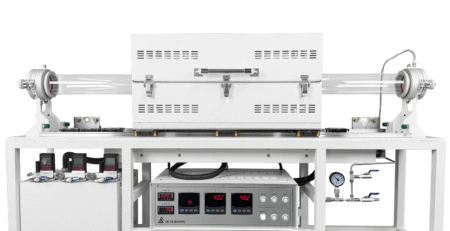
A furnace can reach its set temperature while powder buried inside a tray is still heating. In rare-earth calcination, that difference matters. The material needs sufficient time at temperature and adequate contact with the process atmosphere to form the desired oxide consistently.
As production grows, adding more powder to each tray can make those conditions harder to maintain throughout the load. Longer holds may complete the treatment, but they also slow the movement of material through the plant.
A rotary kiln keeps the powder moving during treatment. As the tube turns, the powder tumbles and redistributes, improving its exposure to heat and process gas. This contact between solids and gas is a central reason to consider rotary equipment for rare-earth calcination. Continuous feeding and discharge add a second benefit: the furnace can process successive quantities of material without a separate heating and cooling cycle for every batch.
Where calcination fits in rare-earth refining
By the time a rare-earth precursor reaches the calcination furnace, it has already passed through several processing steps. In a typical oxalate-based route, those steps include leaching, separation, precipitation, filtration, and drying.
Calcination then converts the solid oxalate precursor into an oxide through thermal decomposition, releasing gaseous products along the way. The kiln handles this final thermal conversion after the upstream chemistry has separated and recovered the rare earths.
The quality of the finished oxide depends on that upstream work as well as the calcination conditions. Impurities carried into the precipitate can affect the final oxide grade, so calcination alone does not guarantee a particular purity. Its role is to complete the required conversion under conditions suited to the material and product specification.
The challenge inside a stationary powder bed
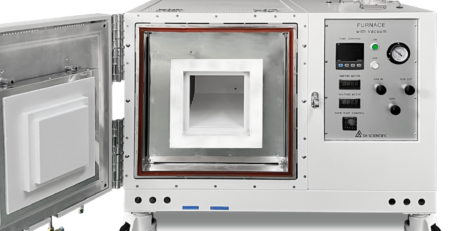
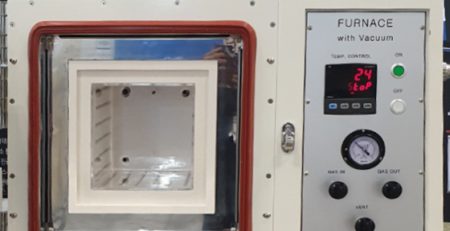
Batch furnaces are useful for processing discrete loads. The difficulty in scaling a tray-based process is that a larger load does not necessarily behave like a smaller one.
Powder near the exposed surface has easier access to the surrounding gas. Material deeper in the bed has a longer path for gas exchange, and heat must penetrate the load. Depending on the powder, tray depth, and operating conditions, different parts of the bed may reach the required processing conditions at different times.
Operators can compensate by extending the hold. That gives the slower-heating material more time, but it also occupies the furnace for longer. Shorter paths for heat transfer and gas diffusion can help reduce processing time and improve uniformity.
For a production team, the full cycle matters. Loading, heating, holding, cooling, and unloading all contribute to the time between finished batches. When upstream operations deliver more material, this final step can become a bottleneck.
Rotation brings more powder into contact with the process gas
A rotary kiln changes how the powder moves through treatment. As the tube rotates, material tumbles through the bed instead of remaining in a fixed position.
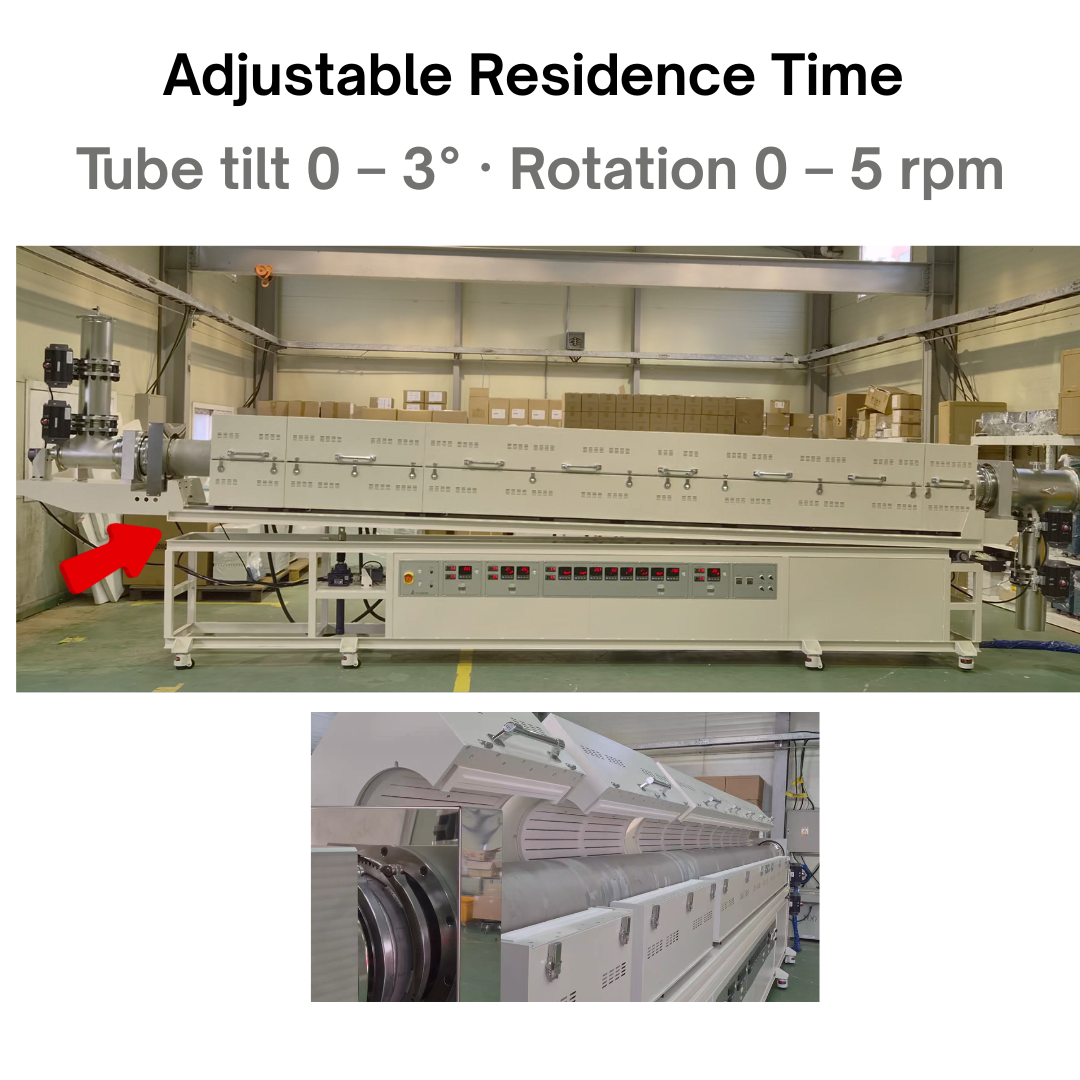
That movement repeatedly brings powder toward the exposed surface, renewing its contact with the process atmosphere. It also redistributes material against heated surfaces and through the bed, supporting heat transfer.
For a process that uses air or oxygen, this helps expose the powder to the gas required by the treatment. The aim is to give the load more consistent processing conditions, so that material buried within the bed does not depend solely on prolonged heating and gas penetration.
Improved mixing and gas–solid contact can support a more homogeneous product and shorter processing times. The result still depends on the precursor, temperature, atmosphere, and time spent in the heated zone.
The powder’s behavior also matters. A free-flowing feed is easier to move and mix predictably than one that sticks or forms agglomerates during heating. Testing the actual material helps establish whether a rotary process is suitable and which conditions it needs.
Continuous operation puts that movement to work
Rotation improves exposure during calcination. Continuous operation makes it possible to carry that treatment through an extended production run.
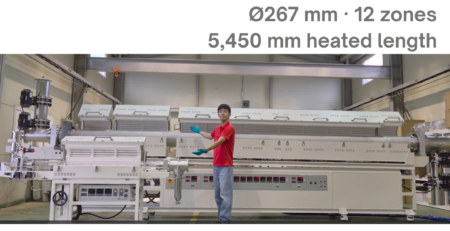
With a suitable feeder and discharge system, fresh material enters the kiln while treated material leaves. The heated zone stays in operation as successive quantities pass through it. SH Scientific offers rotary-kiln configurations designed for this type of continuous feeding and collection.
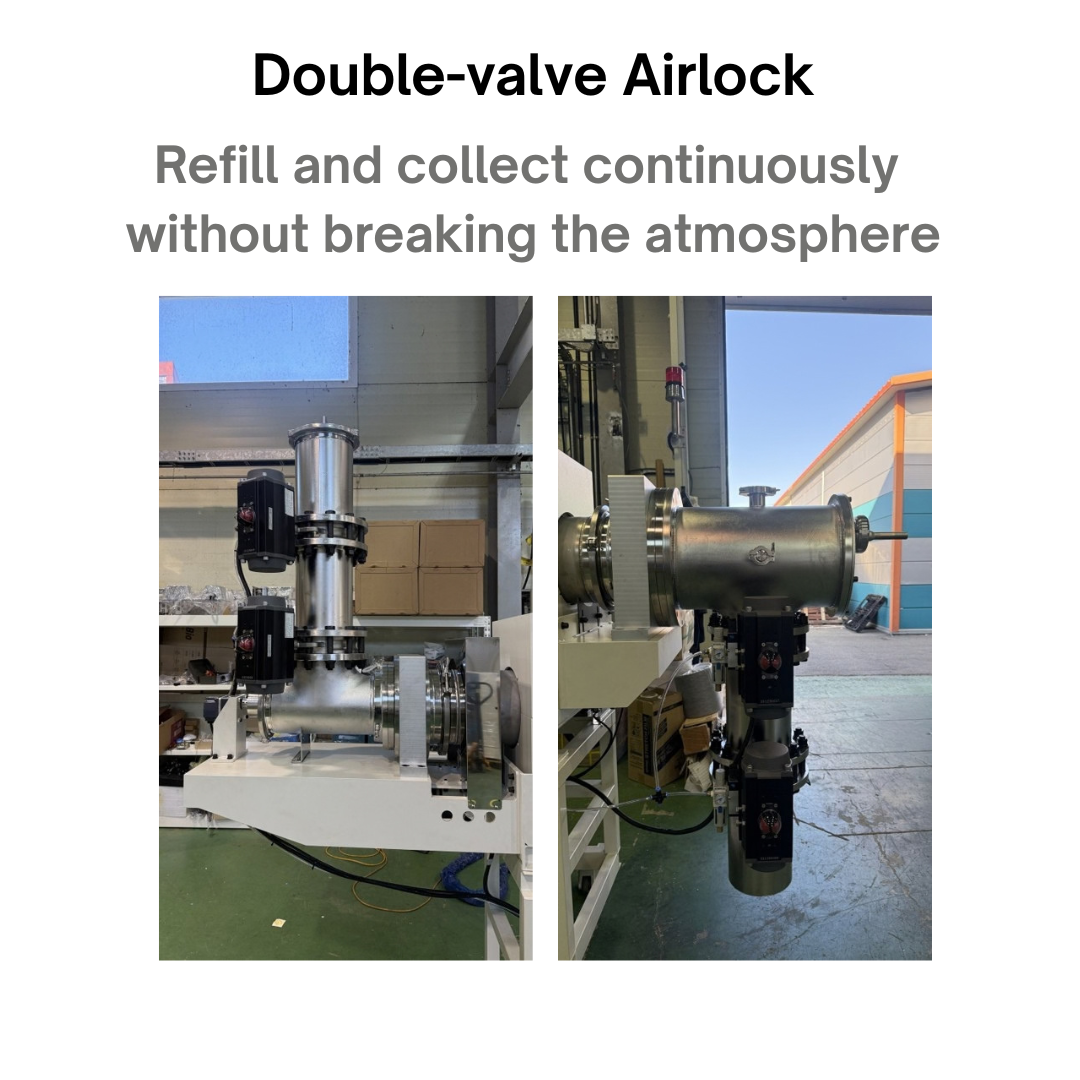
This shifts the capacity question from how much material fits in one batch to how much acceptable product the system can deliver over time.
Feed rate must still allow sufficient residence time for calcination. Increasing it without confirming conversion can sacrifice product quality. Cooling and collection also need to keep pace, or the bottleneck simply moves downstream.
A useful production trial therefore measures both output and quality over a sustained run. The target is a repeatable operating rate that meets the product specification.
What to establish before choosing a kiln
Furnace selection starts with the material and the required result. A productive discussion with the SH Scientific team should cover:
- Feed characteristics: precursor chemistry, moisture, particle size, and flow behavior.
- Thermal requirements: the temperature profile and residence time needed for conversion.
- Process atmosphere: gas composition, flow, and exhaust-handling requirements.
- Product-contact materials: compatibility with the feed and contamination limits.
- Production capacity: the required output and the equipment needed to feed, cool, and collect it.
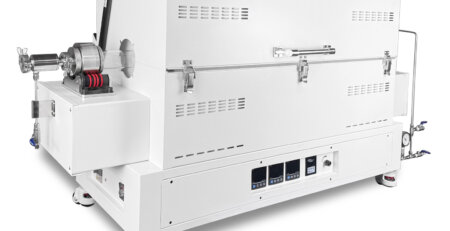
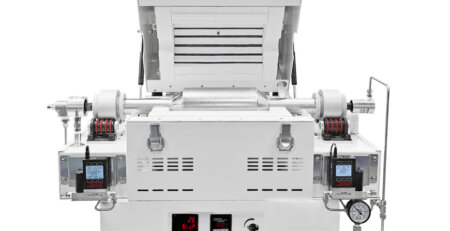
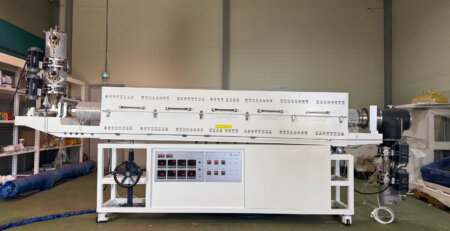
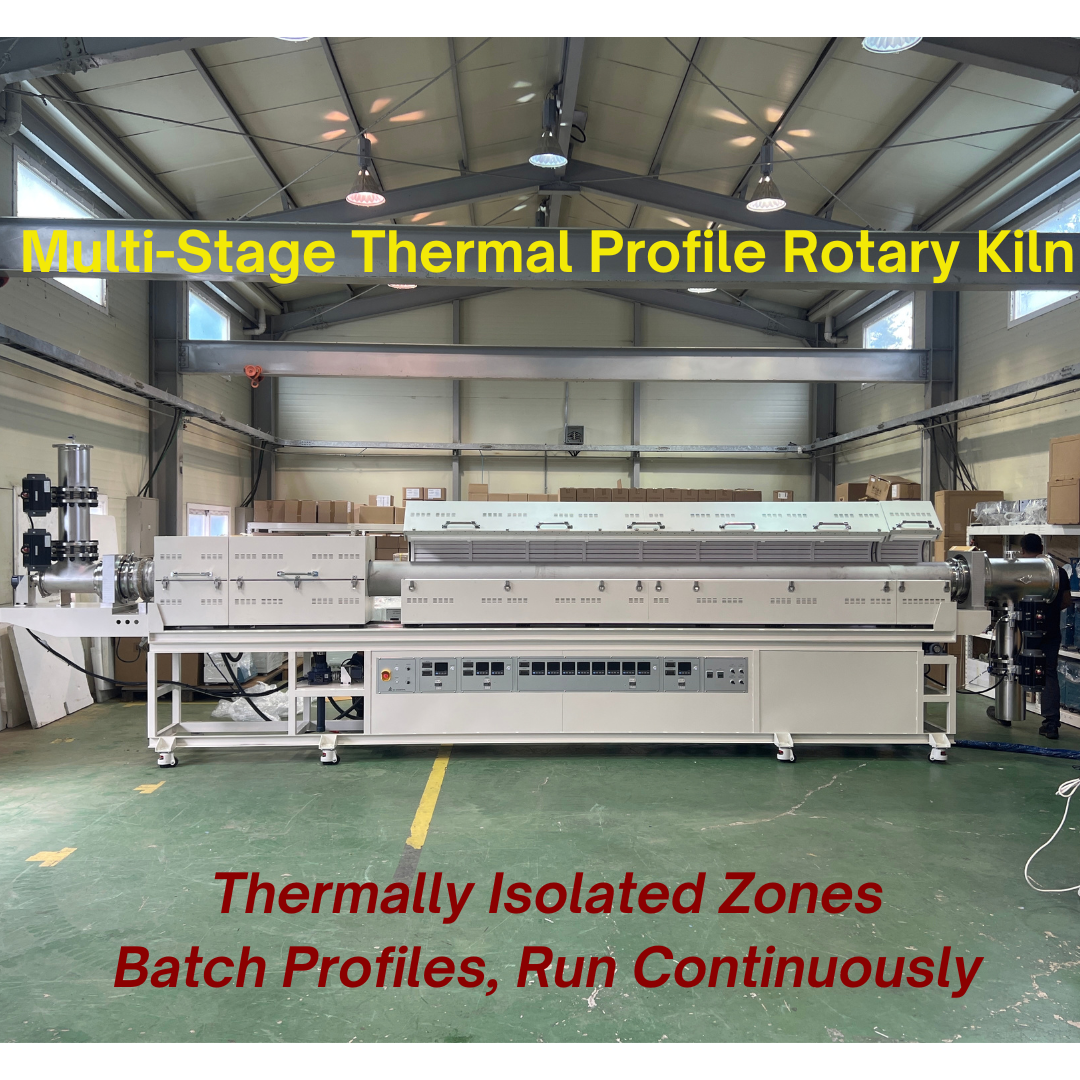
SH Scientific rotary kilns are electrically heated. The rotating tube passes through independently controlled heating zones, and heat reaches the powder through the tube wall. Gas inlets and outlets on the tube allow the process atmosphere to be controlled, and tube materials such as quartz, alumina, stainless steel 310S, and Inconel can be selected to suit the feed. Lab-scale models can help establish process conditions before moving to a pilot-scale configuration.
Planning the next step in production
When final calcination limits output, furnace temperature is only part of the evaluation. How the powder moves, how effectively it contacts the process gas, and how long it remains under treatment all affect the result.
A rotary kiln brings those considerations together in a continuous process. For a suitable feed, its tumbling action can improve exposure throughout the powder bed while continuous feeding and discharge reduce the interruptions associated with separate batches.
SH Scientific offers rotary kilns and tube furnaces for controlled thermal processing. Share your precursor characteristics, target oxide specifications, atmosphere, and throughput requirements with the team to discuss a configuration for your application.